
The distrust towards traditional parties in France is not only expressed through abstention or protest voting. It also fuels a galaxy of citizen movements that attempt to renew political practices, often away from classic partisan logics. Since the municipal elections of 2020, and through subsequent electoral cycles, these collectives have multiplied local experiments and forms of parliamentary questioning, without always taking the step of creating a party.
Shared governance at the municipal level: the laboratory of citizen lists
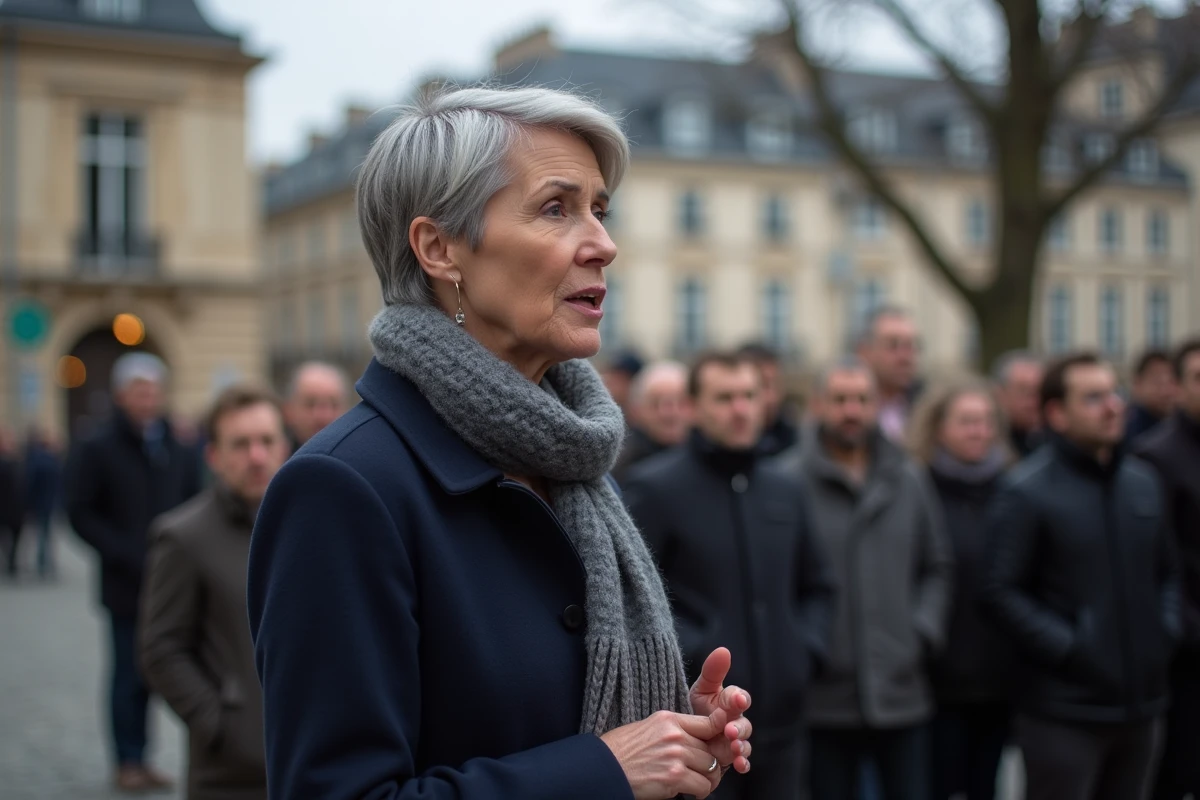
Rather than directly targeting the National Assembly or the Élysée, several citizen movements have chosen the municipality as their experimental ground. Participatory budgets with decision-making envelopes, citizen councils with real power over certain decisions, co-development of local urban planning plans: the municipality has become the laboratory of participatory democracy.
According to a report from IDHE.S (University of Paris-Nanterre, 2023), citizen lists and enhanced local democracy mechanisms have seen a significant rise since the municipal elections of 2020. These lists stand out from traditional parties by the absence of a guiding figure and by a claimed horizontal operation.
The issue is concrete: a collective managing a participatory budget for a neighborhood does not promise a “better world” in a national program; it arbitrates between the renovation of a square and the opening of a health center. This local proof approach partly explains why these initiatives attract profiles distant from traditional politics.
Platforms like lespatriotes.net illustrate this desire to federate structured civic engagement around concrete proposals rather than ideological postures. Even young people who do not identify with any existing electoral offer find a space for expression there.
Transpartisan pressure: influencing laws without becoming a party
Another current, equally visible, explicitly rejects the party form. These collectives, often structured around a cause (climate, social justice, territorial equality), prefer to maintain a capacity for transpartisan pressure. Their toolkit consists of a few specific tools:
- Parliamentary scorecards, which publicly rate each deputy’s vote on texts deemed priority, creating direct media pressure on elected officials.
- Targeted public questioning during the examination of bills, with online mobilization campaigns and coordinated ground actions the day before committee votes.
- Co-drafting amendments with allied parliamentarians, a practice that blurs the boundary between civil society and legislative work.
The Citizen’s Climate Convention has been an emblematic case. Its proposals were partially incorporated into the Climate and Resilience Law, according to analyses from the Institute for Public Policy (2022 report). The collective “Never Again,” an alliance of unions and NGOs, has followed a similar trajectory: influencing the parliamentary agenda without transforming into an electoral machine.
This strategy has an advantage: it allows for mobilizing support beyond left-right divides. It also has a clear limit. Without their own elected officials, these collectives depend on the goodwill of parliamentarians who can abandon a cause as soon as the internal power dynamics within their party change.
Engagement of young people and new forms of political participation
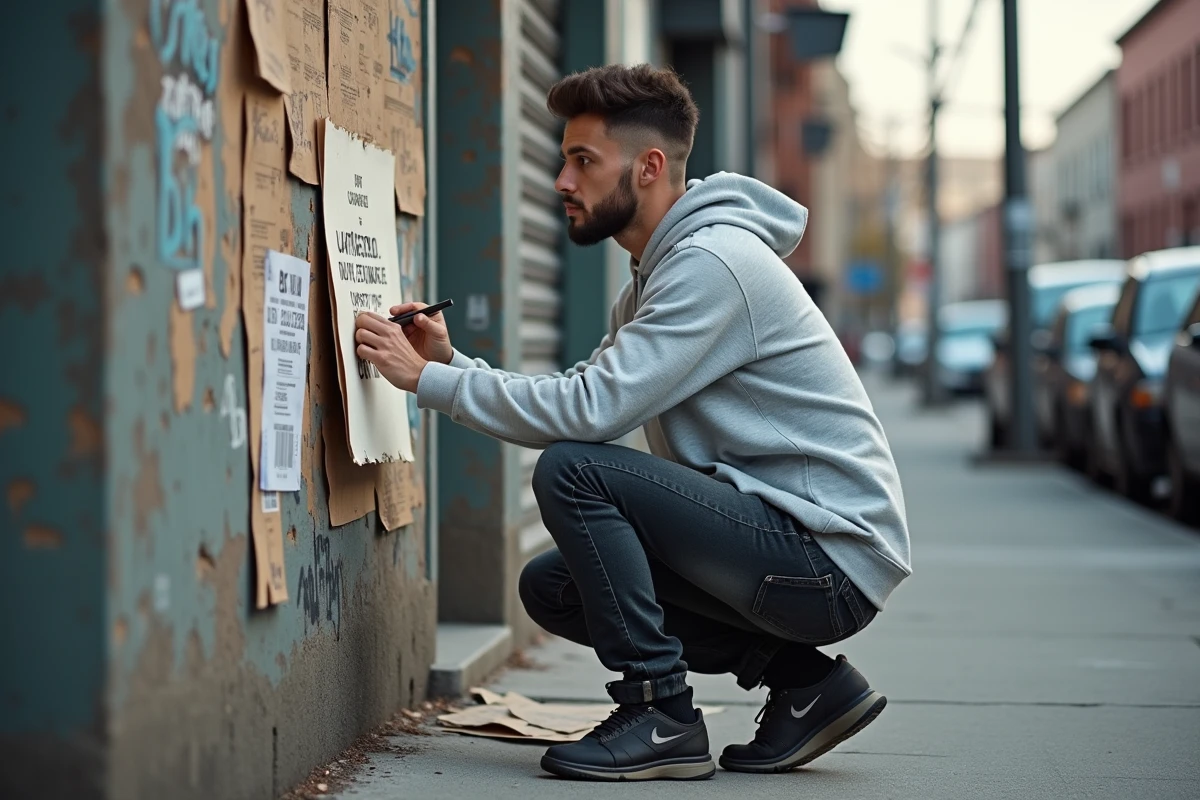
Recent surveys on political participation among young people in France show an apparent paradox. Abstention remains high among those under thirty during national elections. In contrast, non-electoral forms of engagement are clearly progressing in this age group: associations, informal collectives, online mobilizations, non-violent direct actions.
This gap reflects less a disinterest in politics than a rejection of institutional channels. Young people engaged in citizen movements often express a precise critique: the election cycle (every five years for major elections) does not match the urgency felt regarding climate or inequalities. They prefer forms of action that produce visible results in the short term.
Digital practices play a central role. Mobilization occurs through social networks, online petitions, participatory crowdfunding. The political debate is shifting to spaces that traditional parties manage poorly. A collective can organize a live event in the evening on a video platform and reach more people than a classic meeting.
Structural limits of these citizen movements in France
The enthusiasm around participatory democracy should not obscure real fragilities. Several experiences of elected citizen lists in municipal elections have encountered governance difficulties once faced with the daily management of a community. The horizontal functioning, effective during mobilization phases, clashes with the need to make quick decisions on technical files.
The available data do not allow us to conclude that these movements are permanently altering the national electoral landscape. In legislative elections, citizen candidacies outside of parties remain marginal in terms of seats obtained. The two-round single-member voting system favors organizations capable of covering all constituencies, which requires logistics and funding that collectives struggle to gather.
Another point deserves attention: the co-optation by established parties. French political history shows that citizen movements often end up absorbed or imitated by traditional formations that adopt their vocabulary without adopting their practices. The main risk remains the dilution of the initial project within the logics of the party apparatus.
These movements have demonstrated their ability to renew forms of participation and to exert occasional influence on the law-making process. Their capacity to endure over time, resist activist fatigue, and overcome the hurdle of national elections remains, at this stage, an open question.