Combining peonies and tulips in the same bouquet can end badly: the sensitive peony wilts while the tulip holds its head high. The pollen stains from certain lilies threaten neighboring petals. Add to this the insatiable thirst of the carnation compared to the rose, and competition for even the slightest drop of water is guaranteed… resulting in a disappointing outcome.
Choosing flowers wisely, along with their preservation rhythms and needs, helps avoid many issues. Industry professionals recommend anticipating the chemical or physical interactions that can compromise the freshness and shape of the bouquet, especially on the wedding day.
Why certain flowers don’t mix well in a bridal bouquet
The beauty of bouquets can sometimes be deceiving. Some combinations, under their innocent appearance, hide inevitable tensions. Gathering peonies, roses, and lilies accelerates the downfall: the peony collapses even before the lily starts to decline. Each stem has its own rhythm, but the water-loving lily dries out its less robust companions, creating a visible imbalance within hours.
Beyond water competition, the vase water can become the ground for a subtle confrontation: hyacinths and irises, for example, release harmful substances for their counterparts. Invisible, these toxins jeopardize the stability and vitality of the entire bouquet. Being in proximity to orchids and chrysanthemums also risks allergic reactions or imbalances, which shorten the lifespan of the arrangement.
The reactions of guests should be monitored: certain flowers (hyacinth, iris, chrysanthemum) are notoriously allergenic. A careless selection can turn a pretty bouquet into a source of discomfort for the more sensitive. To delve deeper into these necessary avoidances and best practices, simply discover flower advice on Et ils se Marièrent: this article scrutinizes the combinations to favor or ban, relying on rare technical expertise.
What flower or color combinations harm the balance of a bouquet?
Creating a coherent wedding bouquet is an art. On paper, certain color alliances are appealing, but once transposed, the balance becomes disrupted. A dense red drowned in soft pastels muddles visual cues: the eye gets lost, and the bouquet’s intention diminishes.
On the structural side, pairing firm stems like those of roses with delicate species like ranunculus creates an unbalanced effect: the rigid flowers dominate, stifling the lightness of the others.
Take a close look at these problematic associations, to be handled with discernment:
- Bright color marriages (fuchsia, orange) and icy tones (blue, pale green) tend towards a messy effect, especially in voluminous compositions.
- Assemblages of exotic flowers with seasonal, local ones often result in a struggling bouquet: mismatches in watering, sunlight, or humidity rhythms, as well as visually.
- A mix of highly fragrant flowers (tuberose, hyacinth) with more neutral varieties disrupts the whole, sometimes resulting in an overly pronounced olfactory output.
The choice of colors and textures imposes coherence: a deliberately restricted palette, validated associations, and, why not, a consultation with a professional can prevent many mistakes that would spoil the whole.
Practical tips: achieving a balanced bouquet or the art of knowing when to consult a florist
Creating a bridal bouquet that lasts until the end is nothing improvised. It requires knowledge of the specifics of each variety, playing with seasonality, and understanding their requirements. Betting on in-season flowers increases the chances of success: generous peonies in spring, robust roses almost all year round (provided they are kept separate from lilies, which are too fragrant for them).
Observing the compatibility between each flower is key. Some, like orchids, do not handle humidity well; others, like dried flowers, cannot tolerate water. Let’s not forget potential allergens, which can always disturb some guests.
To prevent imbalances, here are some principles:
- Opt for harmoniously matched shades, never aggressive: discretion often has better taste than a flashy accumulation.
- Moderate the diversity of textures: visual cohesion matters more than an inventory of species.
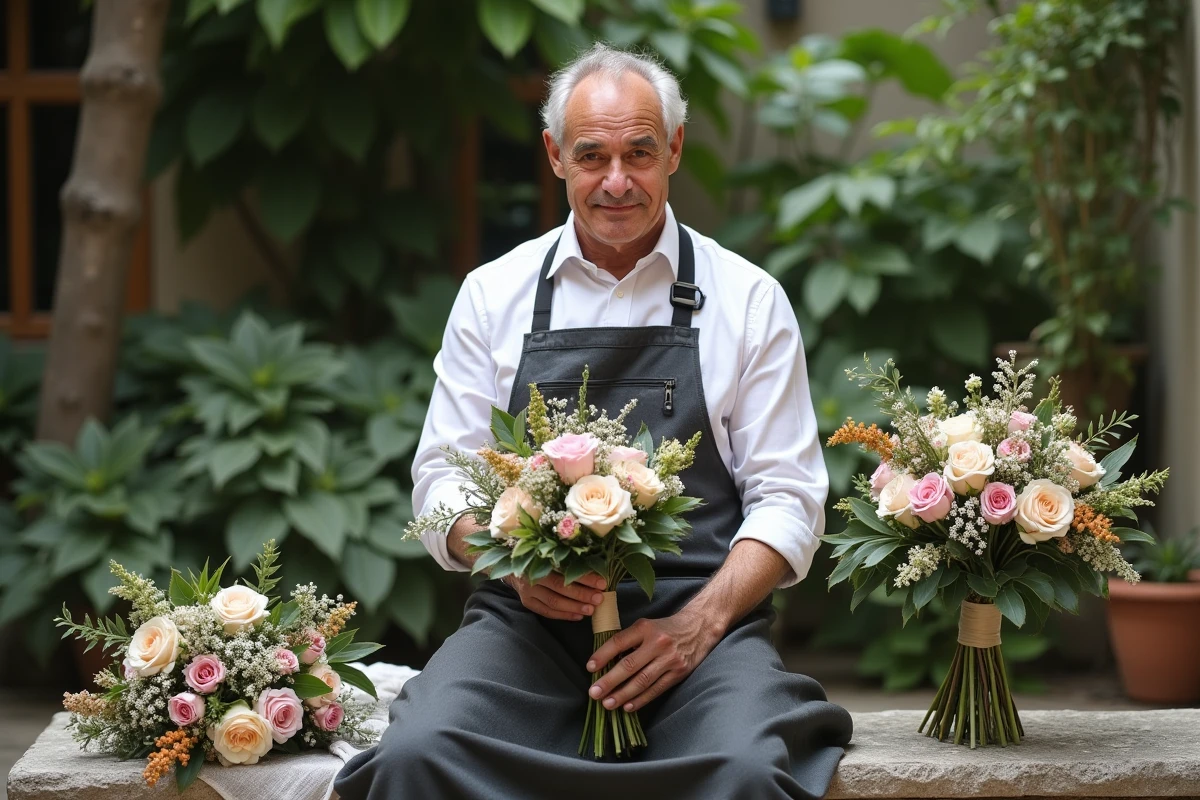
- In case of doubt, seek the opinion of an experienced florist. Their expertise ensures freshness and balance, right up to the fateful moment.
Composing the ideal wedding bouquet is neither a matter of luck nor chance, but of savvy know-how: the one that sorts, assembles, and adjusts to enhance the big day. The bouquet, often contemplated after the ceremony, embodies the perfect accord, or its absence. And remains, very often, the unalterable signature of memories in every snapshot.