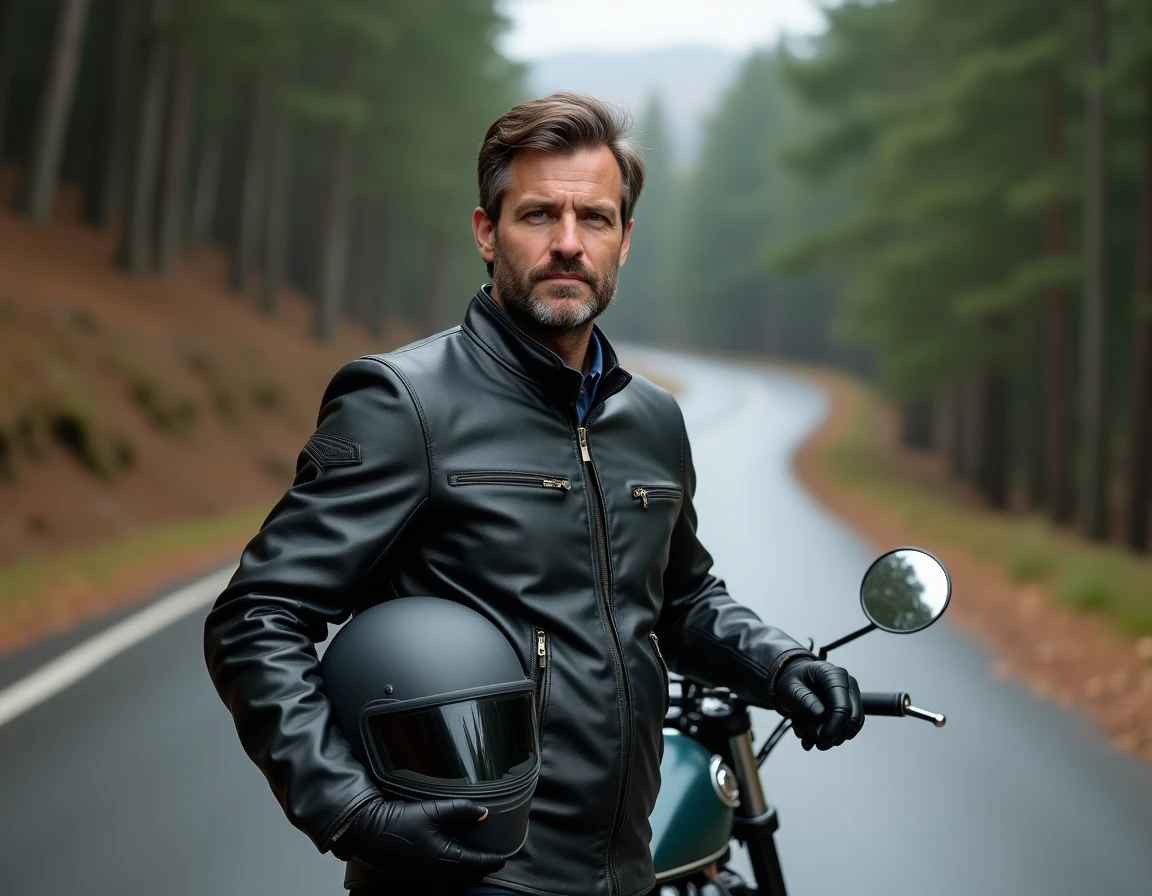
The passion for motorcycles is measured as much in the sensations of riding as in the concrete choices that frame each outing. Equipment, mechanical preparation, onboard electronics, regulatory framework: these parameters determine the real quality of the two-wheeled experience. Comparing their respective impacts allows us to distinguish what pertains to perceived pleasure and what objectively transforms every kilometer traveled.
Onboard Electronics and Euro 5+ Standards: What Truly Changes Motorcycle Riding
The gradual introduction of Euro 5 and then Euro 5+ standards for new motorcycles in Europe has led to a profound overhaul of engine mappings, exhausts, and riding aids. Manufacturers have had to smooth out engine response and reduce sound levels, which directly alters the sensation during acceleration.
According to ACEM, these standards have accelerated the widespread adoption of advanced electronic equipment (cornering ABS, riding modes, anti-wheeling) even on mid-range engines. The result: sporty yet secure riding accessible to a broader audience.
This evolution divides motorcyclists. Purists lament a loss of mechanical character. Riders on open roads gain a tangible safety margin, especially on wet surfaces or in tight corners. On motor-xclub.com, these differences between generations of motorcycles regularly fuel discussions among enthusiasts.
| Criterion | Pre-Euro 5 Motorcycle | Euro 5 / 5+ Motorcycle |
|---|---|---|
| Traction Control | Absent or basic (high displacement only) | Multimode, present from mid-range |
| ABS | Simple standard | Cornering ABS with lean angle sensor |
| Riding Modes | Rare, often optional | Three to four modes as standard |
| Engine Response | Rougher, torque available immediately | Smoothened by mapping, more linear progression |
| Exhaust Sound | More pronounced | Reduced by enhanced catalysts |
This table highlights a shift: electronics now compensate for part of the rider’s experience. For a beginner or intermediate rider, the gain in active safety is measurable. For an experienced rider, the challenge is to utilize these aids without them neutralizing the feel.
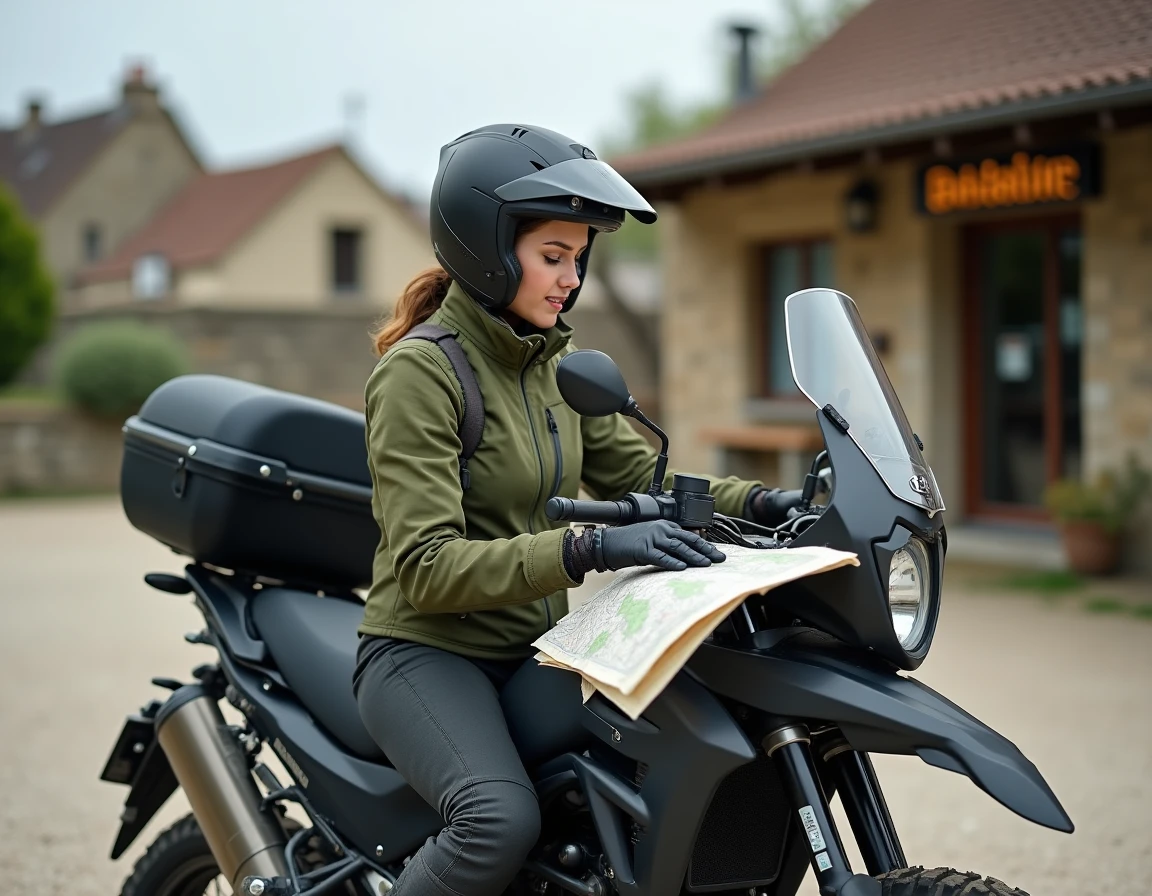
Motorcycle Gear: Balancing Protection, Comfort, and Budget
The choice of gear determines the quality of each outing as much as the motorcycle itself. Three items focus the decision-making: the helmet, the jacket (or suit), and the gloves.
An ECE 22.06 certified helmet offers a higher level of protection than the previous ECE 22.05 standards. The difference lies in the rotational impact tests and the coverage area. Choosing a recent helmet compliant with ECE 22.06 reduces the risk of brain injury.
Essential Gear Priorities
- The helmet remains the primary investment: a well-ventilated, lightweight model that meets the latest standard prevents neck fatigue on long rides and offers better protection in case of a fall
- The jacket with integrated back, elbow, and shoulder protections (level 2) advantageously replaces the separate purchase of armor, while simplifying preparation before each outing
- CE-certified gloves remain mandatory in France, but their quality varies significantly: a glove with palm and knuckle reinforcements offers superior grip without sacrificing sensitivity to controls
On the other hand, boots and reinforced pants are often overlooked by riders who commute in the city. Accident statistics show, however, that the lower limbs are among the most affected areas in low-speed impacts.
Daily Use of Two-Wheelers: The Motorcycle as a Mobility Tool
The Cerema’s Emerging Mobility Observatory (2023 edition) notes that motorized two-wheelers are increasingly cited as a complement to trains or carpooling for multimodal trips, especially among suburban workers.
The motorcycle is no longer confined to weekend leisure. The alternation between public transport and motorcycle depending on the weather now structures the daily lives of many riders. This multimodal approach optimizes commuting times and frees up leisure time.
This change in usage has consequences for the choice of machine. A versatile road trail or a maneuverable roadster in the city is gradually replacing pure sports bikes in garages. Seat comfort, carrying capacity (top case, side bags), and fuel consumption are becoming selection criteria as crucial as power.
Training and Progression on Open Roads
Riding daily does not mean progressing. Urban traffic imposes specific reflexes: anticipating door openings, managing the blind spots of heavy vehicles, positioning in the lane to remain visible.
A day of post-license training on a circuit or at a riding school allows for practicing emergency braking, avoidance, and cornering vision in a secure environment. Several schools offer courses tailored to all levels, from beginners to experienced riders looking to refine their technique.
- Emergency braking with ABS activated is practiced differently than braking on a motorcycle without assistance: the lever pressure must be firm and immediate
- The placement of the gaze in a corner (focusing on the exit, not the obstacle) remains the most underestimated and effective skill for improving trajectory
- Managing counter-steering at intermediate speeds (above 30 km/h) transforms precision in curves, especially on mountain roads
Motorcycle Maintenance and Pre-Season Preparation: Key Checks
The quality of the two-wheeled experience also depends on the mechanical condition of the machine. After a winter period of inactivity, several points deserve methodical inspection.
Tires concentrate the largest gap between perceived safety and actual safety. A tire that appears to have a correct tread may have lost its grip properties after several months of storage, especially if the motorcycle has remained on its side stand (sidewall deformation due to pressure).
Brake fluid absorbs moisture over time. A replacement every two years maintains a constant lever feel and effective braking. The chain (or belt depending on the transmission) should be cleaned, lubricated, and checked for tension before the first outing.
These checks take only about an hour, but they condition the reliability and enjoyment of riding for the entire season. A rider who maintains their machine rigorously rides more confidently and detects mechanical anomalies earlier.