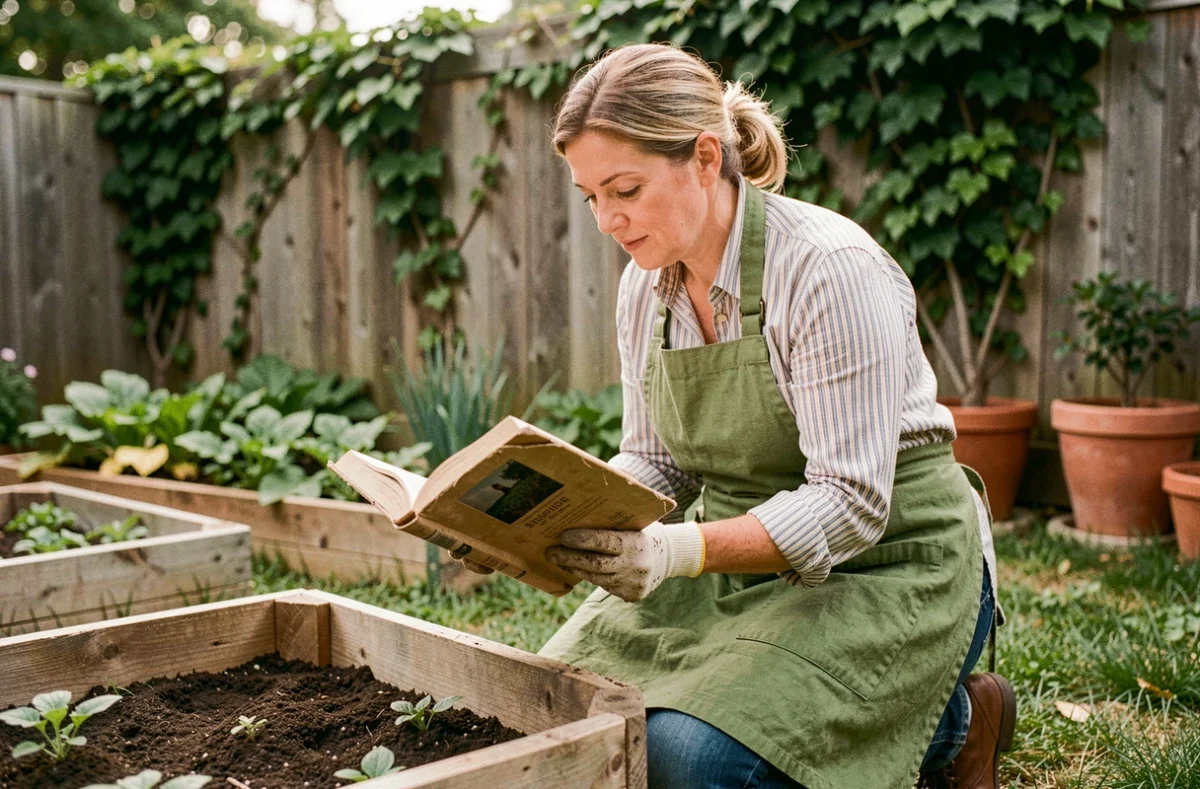
Online resources about gardening are multiplying, but the regulatory constraints surrounding the practice are evolving just as quickly. Water restrictions vary by department, the ban on synthetic plant protection products has been broadened, and there is a requirement to rethink watering on a municipality-by-municipality basis: the legal framework is reshaping what a gardener can do at home. Understanding these rules before planning plantings helps avoid fines and increases efficiency.
Water Restrictions in the Garden: A Prefectural Framework to Check Before Watering
Dryness is no longer just a climatic issue. In France, water restrictions are decided by prefectural decree according to four levels: vigilance, alert, reinforced alert, and crisis. Each level imposes different rules for lawns, flower beds, potted plants, and vegetable gardens.
In crisis level, watering of lawns, hedges, and flowers may be completely prohibited. The vegetable garden, however, sometimes benefits from specific time slots, but nothing is guaranteed from one prefecture to another. These disparities require every gardener to check the situation in their own municipality.
The public service VigiEau allows you to check in just a few clicks the measures applicable to a specific address. For everything you need to know about Spot Jardin, this type of local monitoring becomes as useful a reflex as checking the weather before sowing.
Field reports vary on this point: some market gardeners describe trade-offs between crops, or even the abandonment of certain plantings when irrigation volumes become too limited. What applies to a professional also applies, on a different scale, to a family vegetable garden.
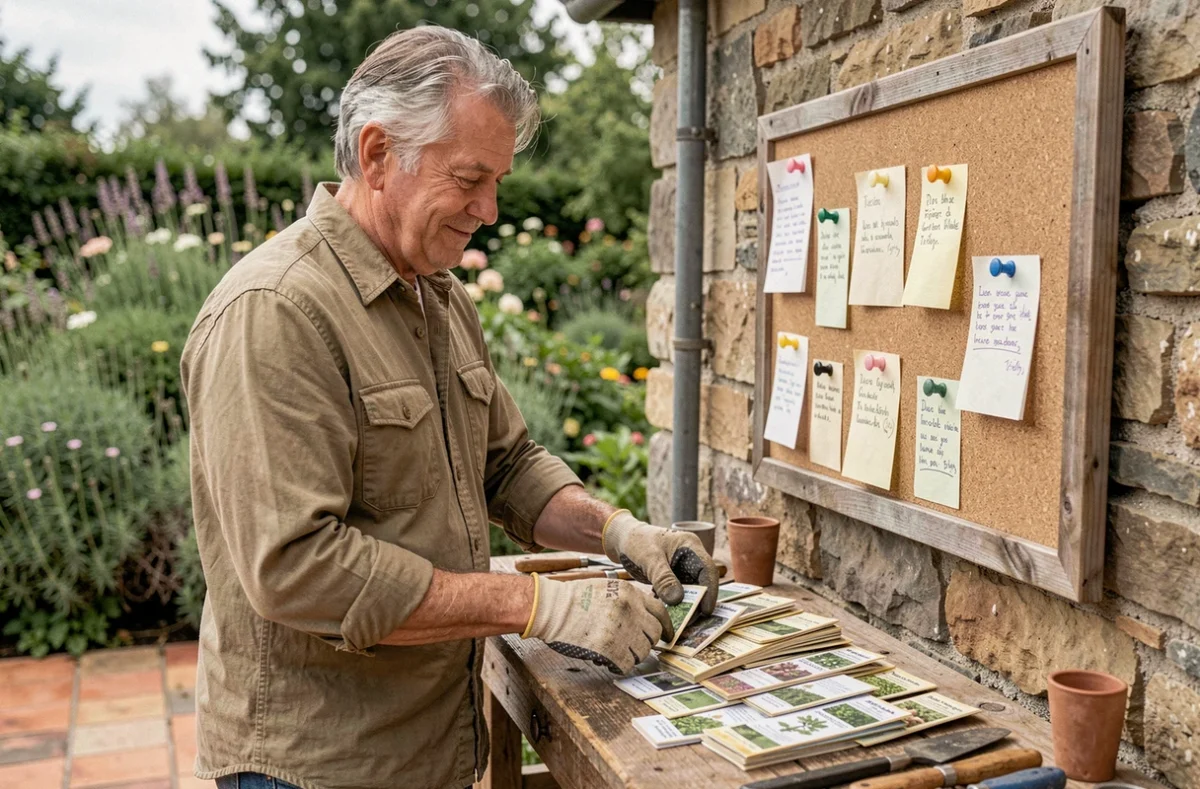
Banned Plant Protection Products: What the Law Still Allows in the Garden
Since January 1, 2019, individuals can no longer use synthetic plant protection products in their gardens. This ban has been extended: since July 1, 2022, professionals working in private gardens are also affected, including in the outdoor spaces of private residential properties.
The only products still allowed fall into three categories:
- Biocontrol products, which use natural mechanisms (microorganisms, pheromones, plant-derived substances) to regulate pests.
- Products classified as low risk by the European Agency, whose list is regularly updated.
- Products whose use is authorized in organic farming and bearing the EAJ label (authorized for use in gardens).
Confusion persists regarding some products sold in garden centers. Glyphosate, concentrated white vinegar used as a herbicide, or bleach poured on paths remain punishable practices. The EAJ label is the only reliable reference for individuals.
Designing a Water-Efficient Garden: Mulching, Drip Irrigation, and Plant Selection
In the face of recurring restrictions, designing a water-efficient garden is no longer just an aesthetic choice. It is a regulatory as well as ecological response. Several technical levers can reduce consumption without sacrificing production.
Mulching as the First Barrier Against Evaporation
A bare soil loses a significant portion of its moisture through direct evaporation. Mulching (straw, wood chips, dead leaves, dried grass clippings) limits this phenomenon and reduces the frequency of watering. It also protects the microbial life of the soil, which contributes to natural fertility.
A sufficiently thick layer of mulch retains soil moisture for several days after watering, even in high heat. Available data do not allow for a universal figure, as effectiveness depends on soil type, exposure, and the material used.

Drip Irrigation and Rainwater Harvesting
Drip irrigation delivers water directly to the base of each plant, without wetting the foliage or wasting water between rows. It is the system most compatible with prefectural restrictions, as it optimizes every liter used.
Rainwater harvesting complements this system. Rainwater stored in a tank is not subject to the same restrictions as network water, providing flexibility during reinforced alert or crisis periods.
Plants Adapted to the Local Climate
Choosing drought-resistant varieties, short-cycle vegetables, or Mediterranean plants in exposed regions mechanically reduces the need for watering. Catalogs of seeds adapted to the local terroir are developing, supported by networks of gardeners and associations for the conservation of heirloom seeds.
Living Soil and Alternatives to Pesticides: What Online Resources Don’t Always Mention
Most online gardening guides list techniques (composting, crop rotation, plant associations) without addressing their concrete limitations. Domestic composting, for example, produces an amendment whose quality varies depending on inputs, temperature, and maturation time. Poorly managed compost can introduce seeds of unwanted plants or pathogens.
Plant associations (tomato-basil, carrot-leek) are often presented as guaranteed solutions against pests. In practice, their effectiveness depends on the local context: soil type, pest pressure, climate. Field reports vary on this point, and no study cited in the available sources allows for generalizing their protective effect.
Crop rotation, on the other hand, remains a well-documented lever for limiting soil depletion and breaking the cycles of certain pests. Alternating botanical families from year to year on each plot of the vegetable garden is a cost-free practice that produces measurable results over several seasons.
The French regulatory framework pushes gardeners towards practices that are more water-efficient and free of synthetic chemicals. Resources exist, but their usefulness depends on the ability to cross generic advice with local constraints: prefectural decrees, soil nature, exposure. Checking the restrictions applicable to your municipality via VigiEau before planning your watering remains the most concrete action to garden without unpleasant surprises.