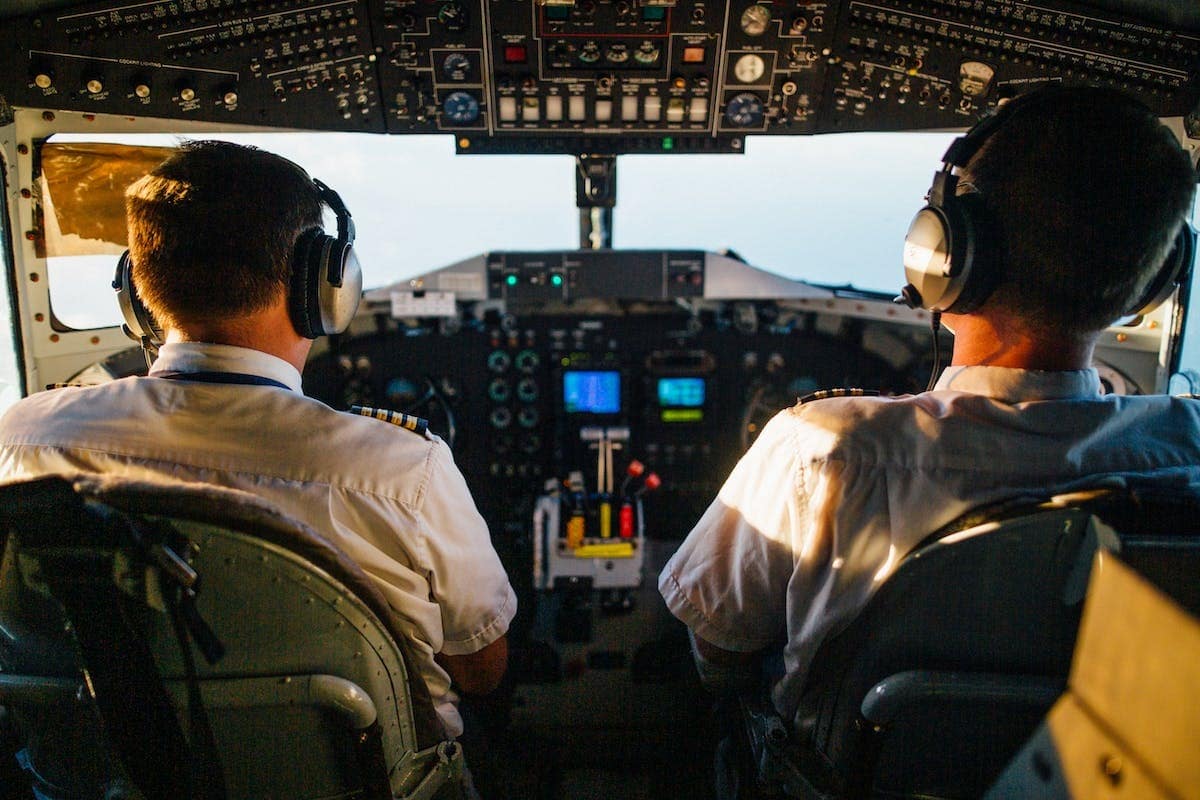
Navigating the skies has always been a dream for many. Realizing this dream requires adequate training, especially if one aspires to become a private pilot. So, what are the elements to consider before committing to such a path? First and foremost, one must think about the financial aspect, as training costs can be high. Also consider your health and physical condition.
Becoming a Private Pilot: Essential Prerequisites
Before embarking on the search for the best training for private pilots, certain prerequisites must be taken into account. Good health and adequate physical condition are essential for engaging in this demanding activity. You must be at least 17 years old and hold a valid medical certificate issued by an authorized physician.
Once these conditions are met, it’s time to examine the various training options available. There are several types of training for private pilots, ranging from theoretical courses to practical flight hours. Some schools even offer specific training depending on the type of aircraft (light airplane or helicopter).
When choosing a flight school, various criteria must be considered. The reputation and experience of the institution are paramount. You should check if the school has the necessary equipment and simulators for effective pilot training.
The financial aspect should not be overlooked when considering training as a private pilot. Costs can vary significantly depending on the schools and programs chosen. Careful comparison of the proposed rates is necessary to find the best value for money.
One might wonder whether it is better to opt for online training or in-person classes. Each method has its advantages and disadvantages: the time flexibility offered by online courses may suit those with busy schedules, while in-person training provides more direct supervision and interaction with instructors.
Once the private pilot license is obtained, numerous career prospects open up. You might consider working for an airline, operating as a private pilot, or even becoming an instructor in the field. Opportunities are vastly diverse and largely depend on the level of experience and skills acquired during training.
Choosing the best training for private pilots requires a thorough analysis of prerequisites, available options, and financial criteria to consider. Whether you choose online or in-person learning, it’s essential to train at a reputable school that will meet future professional expectations. With perseverance and passion, obtaining your license represents the first step towards a promising future in the fascinating world of private aviation.
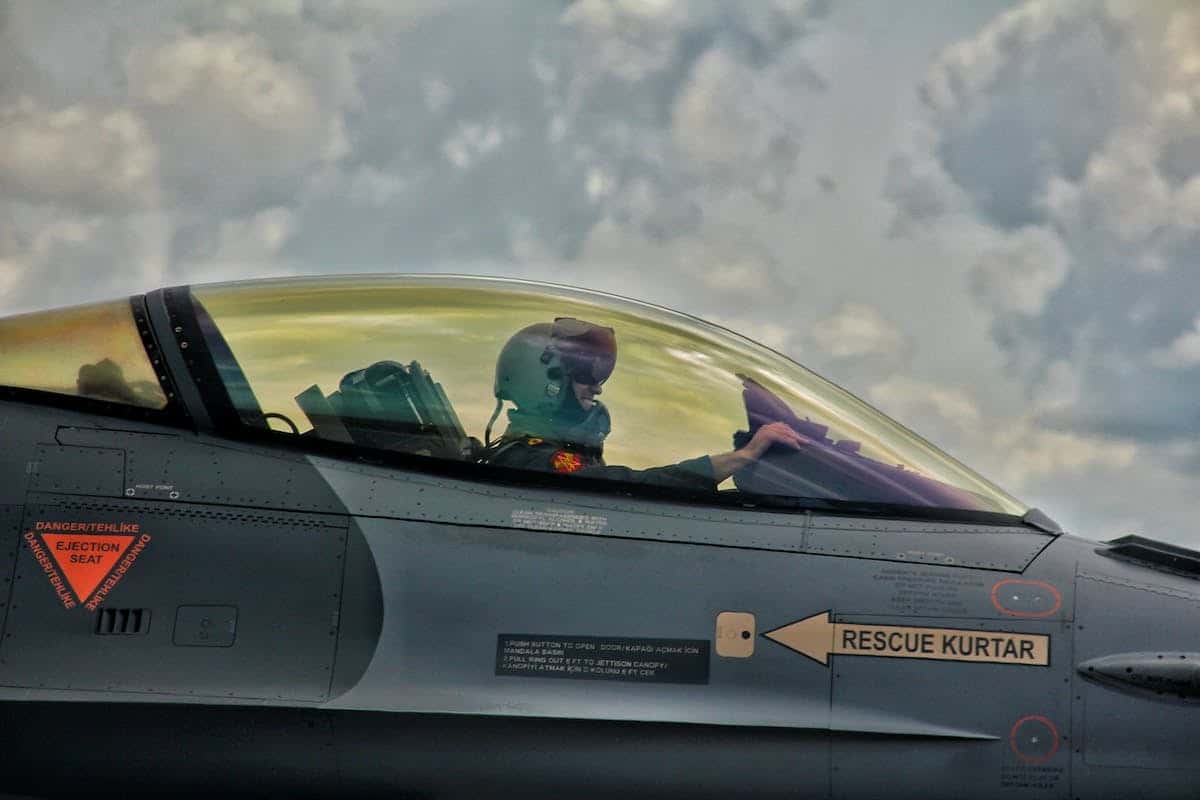
Training for Private Pilots: Which Options to Choose
To become a private pilot, you must choose the right training. The options available are numerous, and each offers its own advantages. Here are some of the different options to consider:
The traditional flight school: This classic option allows students to learn the basics of flying from experienced instructors in a structured environment. Theoretical and practical courses typically take place over an extended period, providing a comprehensive immersion into the world of aviation.
The accelerated training: For those who wish to obtain their pilot license more quickly, accelerated training can be an excellent option. These intensive programs allow students to take intensive ground and flight courses over several weeks or months, enabling them to obtain their license in record time.
The online training: With technological advancements, online training is now a reality for aspiring private pilots. This allows students to study at their own pace from anywhere with an internet connection. Explanatory videos, interactive modules, and virtual exams are integral parts of this modern and flexible method.
The aeronautical clubs: Some aeronautical clubs also offer training for private pilots. These community structures often provide a friendly environment where members can learn together and share their knowledge with other aviation enthusiasts.
The self-taught training: While this option may seem risky, it should be emphasized that this path is not recommended for beginners, and you should ask questions.
Each training option has its advantages and disadvantages. You should take the time to carefully consider your personal goals, schedule, and preferences to choose the best option that meets your needs.
Whatever option you choose, there is no doubt that appropriate training will be crucial for acquiring the necessary skills to fly safely as a private pilot. Don’t forget the importance of additional hours spent in the air after obtaining your initial license—it’s often through these ongoing practical experiences that true learning occurs and allows you to continually improve your skills.
Being a private pilot is not just about obtaining a license—it’s an exciting journey towards mastering the skies that requires commitment and dedication.
Training for Private Pilots: Financial Aspects to Anticipate
When considering undertaking a private pilot training, you must take into account the financial aspects. Indeed, learning to fly requires a significant investment.
You need to carefully examine the training. It can vary significantly depending on the different elements included in the program offered by the flight school. You should carefully review what each offer includes to avoid unpleasant surprises and unforeseen expenses.
Among the main items to consider are the costs associated with theoretical and practical courses. The theoretical courses will cover topics such as air navigation, meteorology, and aviation regulations. As for practical courses, they will generally include flight hours with a qualified instructor as well as time spent on a simulator.
It is also crucial to inquire about the cost of manuals and educational materials required for the training. These resources can represent a significant portion of the overall budget.
In addition to the costs inherent to the training itself, you must consider other expenses associated with this exciting but demanding activity. For example, obtaining the medical certificate issued by an authorized physician can incur additional costs.
Don’t forget that once your license is obtained, you will need to cover various recurring expenses. This includes aviation insurance costs, maintenance of your aircraft if you own one, and costs related to licenses and certifications that need to be renewed.
After the Private Pilot License: What Career Prospects
Once you have obtained your private pilot license, many career prospects and opportunities open up for you. Indeed, the aviation sector offers a wide range of options for those passionate about flying.
You might consider working as a private pilot. This option will allow you to fully enjoy the pleasures of flying while having the ability to take passengers with you. You can share your passion with your loved ones or even offer discovery flights to enthusiasts.
If you wish to advance further in your aviation career, you might consider obtaining a commercial license. This will open the doors to a wide range of professional opportunities. You could work as a commercial pilot for a regional or international airline. Salary prospects are attractive, and the demand for qualified pilots continues to grow.
If the idea of transporting cargo rather than passengers interests you more, then a career as a cargo pilot might be for you. This role often involves flexible schedules and the possibility of having your own cargo plane. It is also possible to advance to more prestigious positions such as piloting for the government or even for Hollywood stars.
For those particularly interested in instruction and sharing acquired knowledge, becoming a flight instructor can be an interesting option. As an instructor, you will have the opportunity to teach the basics of flying to future pilots and thus contribute to training future generations.
If you are attracted to the fascinating world of historic aircraft, you might consider a position in an aviation museum or even participate in historical reenactments as a vintage aircraft pilot. This, of course, requires specific expertise and a deep knowledge of old aircraft, but it is a unique opportunity for history and aviation enthusiasts.
Obtaining your private pilot license offers a wide range of professional possibilities. Whether as a private pilot, commercial pilot, cargo pilot, or instructor, the sky is literally your limit. Now it’s up to you to choose the path that best aligns with your aspirations and fully embrace your passion for aviation.