
In the silent expanses of cemeteries, where reflection intertwines with memory, vegetation holds particular importance. Choosing cold-resistant plants is an ecological and sustainable choice, ideal for these eternal resting places. These robust species adapt to harsh climatic conditions, thereby reducing maintenance needs and resources such as water. In addition to contributing to biodiversity, they provide a haven for local wildlife and beautify graves in an environmentally respectful manner, while honoring the memory of the deceased.
Selection criteria for cold-resistant plants
Choosing plants for a cemetery requires special attention to environmental conditions and maintenance requirements. Cold-resistant plants prove suitable for facing harsh winters while ensuring sustainable planting and reduced cemetery maintenance. Buying frost-resistant flowers for a cemetery involves prioritizing species capable of thriving in poor soil, often characteristic of these sacred places.
The choice naturally leans towards plants such as annuals and biennials, which, despite their short lifespan, offer generous and colorful blooms with examples like Gazania or Daisy. Flowering bulbs, like Crocuses and Daffodils, flourish in early spring, bringing a touch of color after the winter months. Ground covers, such as Perennial Purslane, provide both aesthetic and protective vegetation against soil erosion caused by rain.
In the category of perennials, varieties like Heather and Cyclamen are known for their hardiness and ability to beautify graves year after year. Roses, for their part, are appreciated for their abundant blooms and resilience, requiring easy maintenance and infrequent care. Among shrubs, Camellia, Euonymus, and Laurel are wise choices, adapting well to the shade of monuments and climatic variations.
The zero pesticide approach in cemetery maintenance aligns with the need for an ecological approach. This promotes a healthy environment for visitors and wildlife while maintaining responsible gardening practices. The choice of resistant plants helps facilitate grave maintenance, thus providing families with a lasting and nature-respecting place of memory.
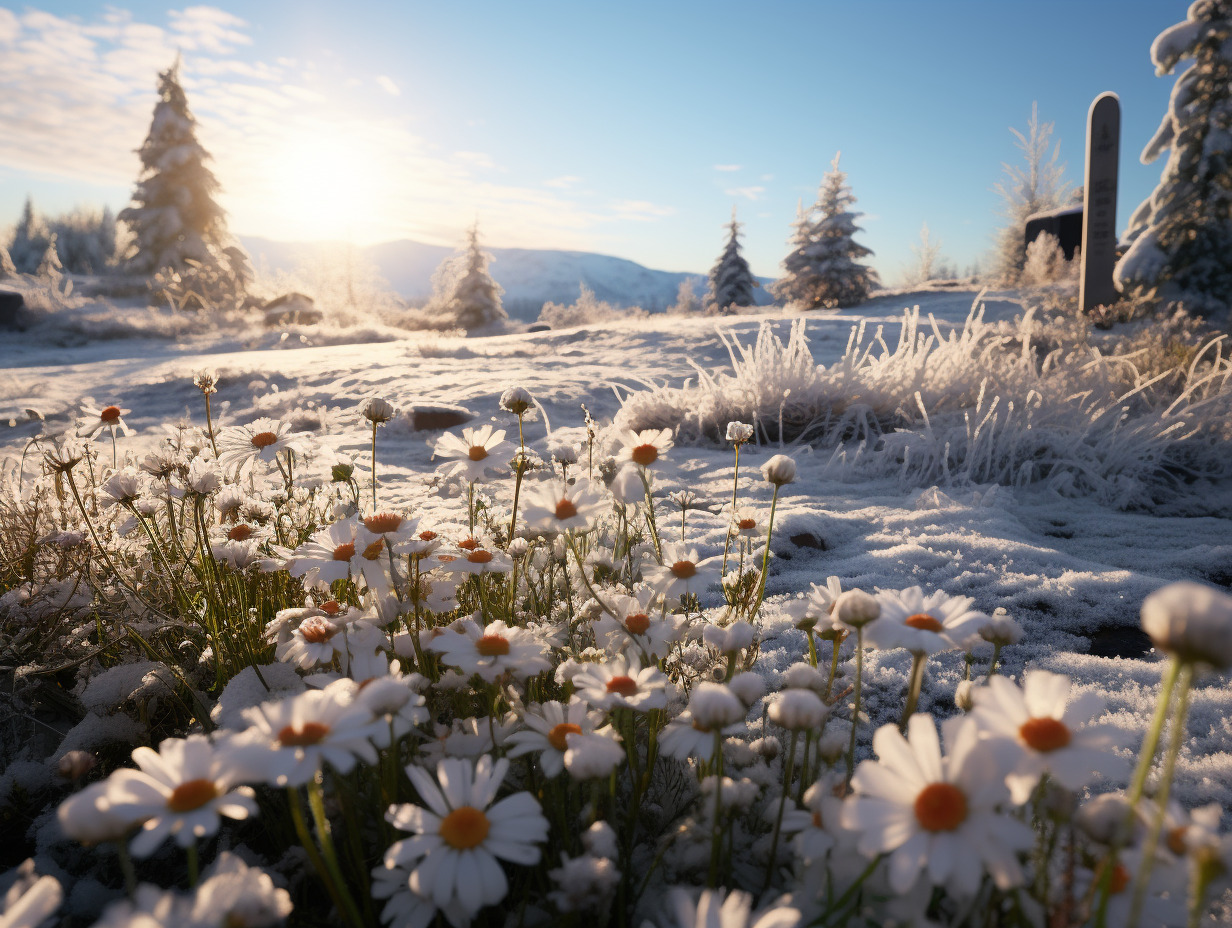
Sustainable plant species to honor memory
In the face of mourning, the tradition of decorating graves remains an act filled with meaning and respect for the deceased. Sustainable plant species present a lasting alternative to ephemeral bouquets, marking the memory of the departed with a constant and environmentally respectful plant presence. As All Saints’ Day approaches, an emblematic period for grave decoration, adopting perennials suited to the local climate becomes essential, participating in a tradition while affirming ecological awareness.
At the heart of this approach, the types of graves influence the choice of plantings. While graves and vaults may present constraints regarding vegetation, particularly related to the use of materials such as granite or concrete, in-ground burials offer easy vegetation. It is in this space that durable plants find their place, capable of thriving year after year without requiring constant attention.
Jonathan Boutrie, head of the organization ‘Les Jardins funéraires’, implements the creation of landscaped graves, which reinvent places of reflection. These spaces, true miniature ecosystems, support biodiversity and transform graves into memory gardens. This modern and sustainable design of graves fits into a tradition of decoration that honors life while adhering to an approach of environmental respect and preservation of natural resources.